AI & Machine Learning
Latest trends in AI and ML
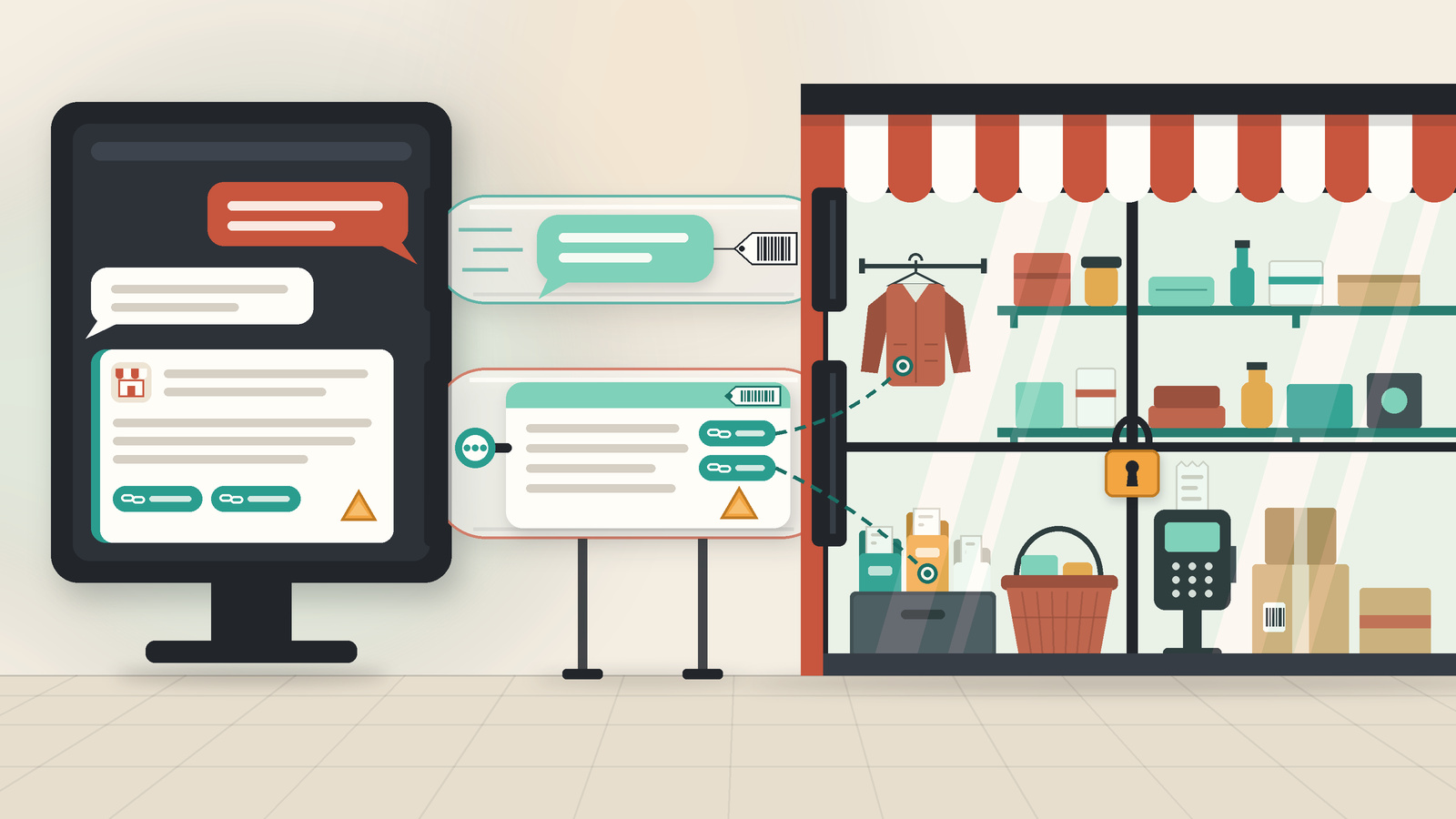
AI Agents Can Now Ask Businesses Directly: Will UCP Ask Turn GEO Into an Answer Interface?
A shopper looking at a winter jacket asks an AI assistant two questions: Does it run small? Can sale items be returned? Today, the assistant usually assembles the answer from whatever it can retrieve: product pages, feeds, reviews, policy pages, and third-party sites. The business shapes that answer, but it does not get to answer the question itself.
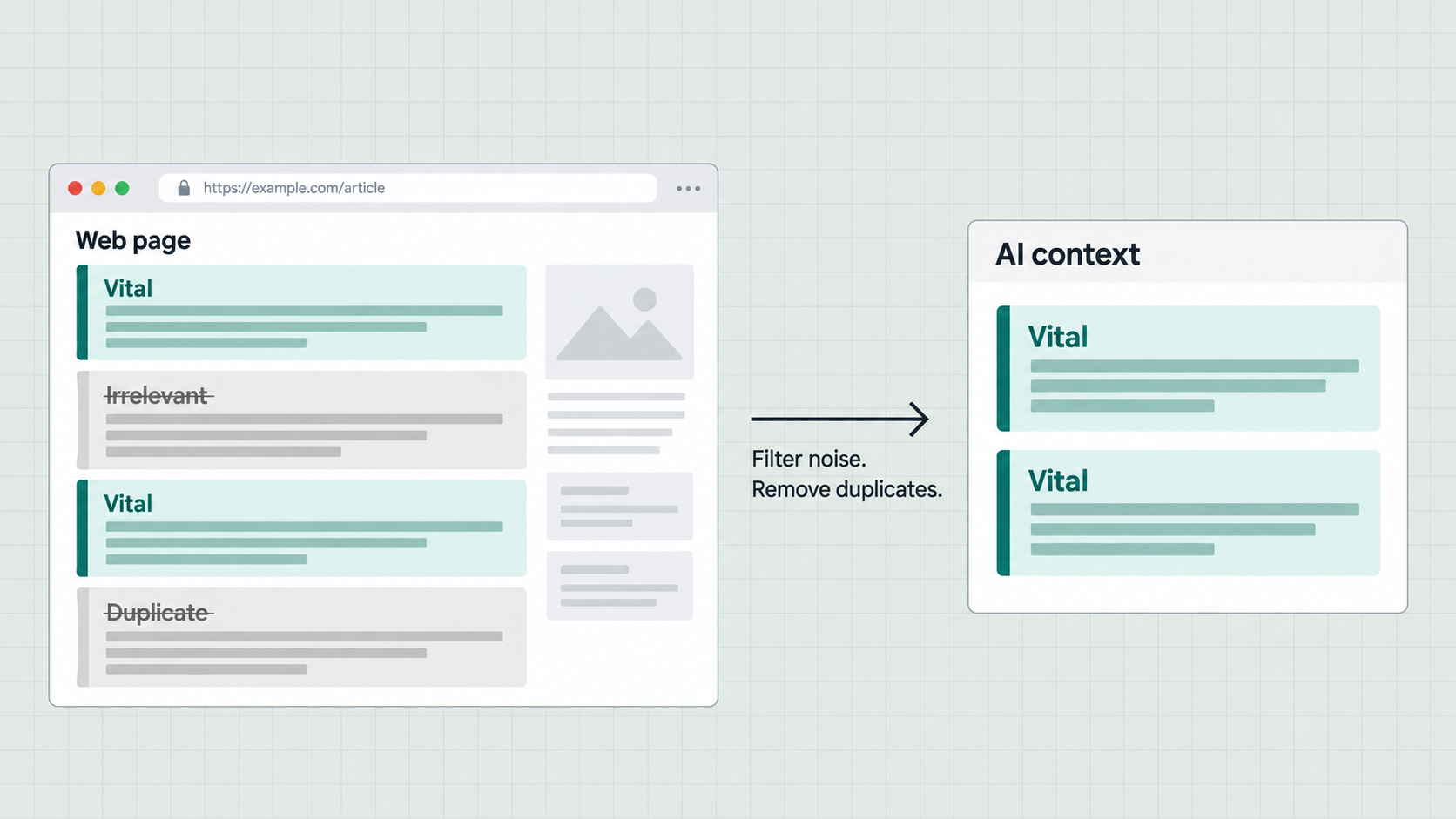
Web Pages Do Not Enter AI Context Whole: How Filters Vital, Irrelevant, and Duplicate Spans
In March 2026, Perplexity described a new extraction and evaluation pipeline for its Search API. For each query-document pair, the system labels spans as vital evidence, several forms of irrelevant content, duplicates, and other categories. Two months later, Perplexity published the production design behind its query-aware context compression model, explaining how those granular labels become smaller snippets in its applications and API Platform.

Why Does AI Cite You? Bing Grounding Queries Reveal the Retrieval Layer
Microsoft is beginning to expose an earlier part of that chain. In February 2026, Bing Webmaster Tools launched AI Performance in public preview, showing citations, cited pages, and grounding queries across Microsoft Copilot, AI-generated summaries in Bing, and selected partner integrations. Microsoft Clarity made Citations generally available in May and added Query Topics in August to group large sets of grounding queries into themes
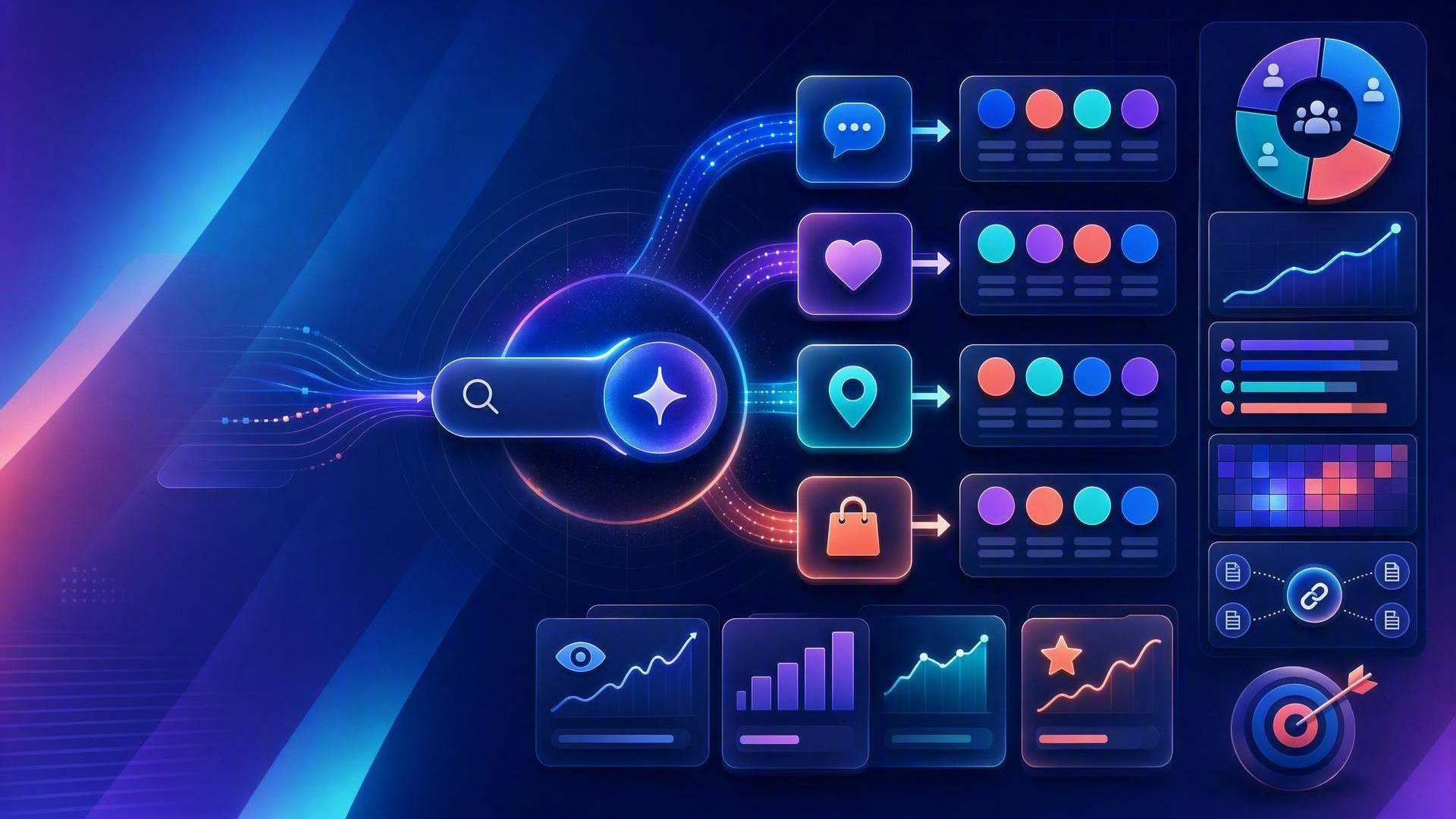
AI Search Has No Single Ranking: Why Different People See Different Brands
You and a colleague send the same product question to the same AI assistant. Your answer recommends Brand A first. Your colleague sees Brand C at the top. You ask again the next day, and the shortlist changes.The system may be working as designed. Two screenshots alone also cannot prove that an AI engine personalized a brand ranking for each person.
57% of AI-Cited Domains Appeared in One Month Only
A Somantra analysis of 2,437,107 citation records across 28,725 domains in Australian insurance found that 57.2% of domains appeared in exactly one month of a seven-month observation window, while only 2.7% appeared in all seven months. The study does not show that those domains will never return, nor does it establish why individual citations disappeared. It does show why a one-time citation is a weak measure of durable AI visibility.
How AI Chunks Your Content: The Retrieval Mechanics Behind Every Citation
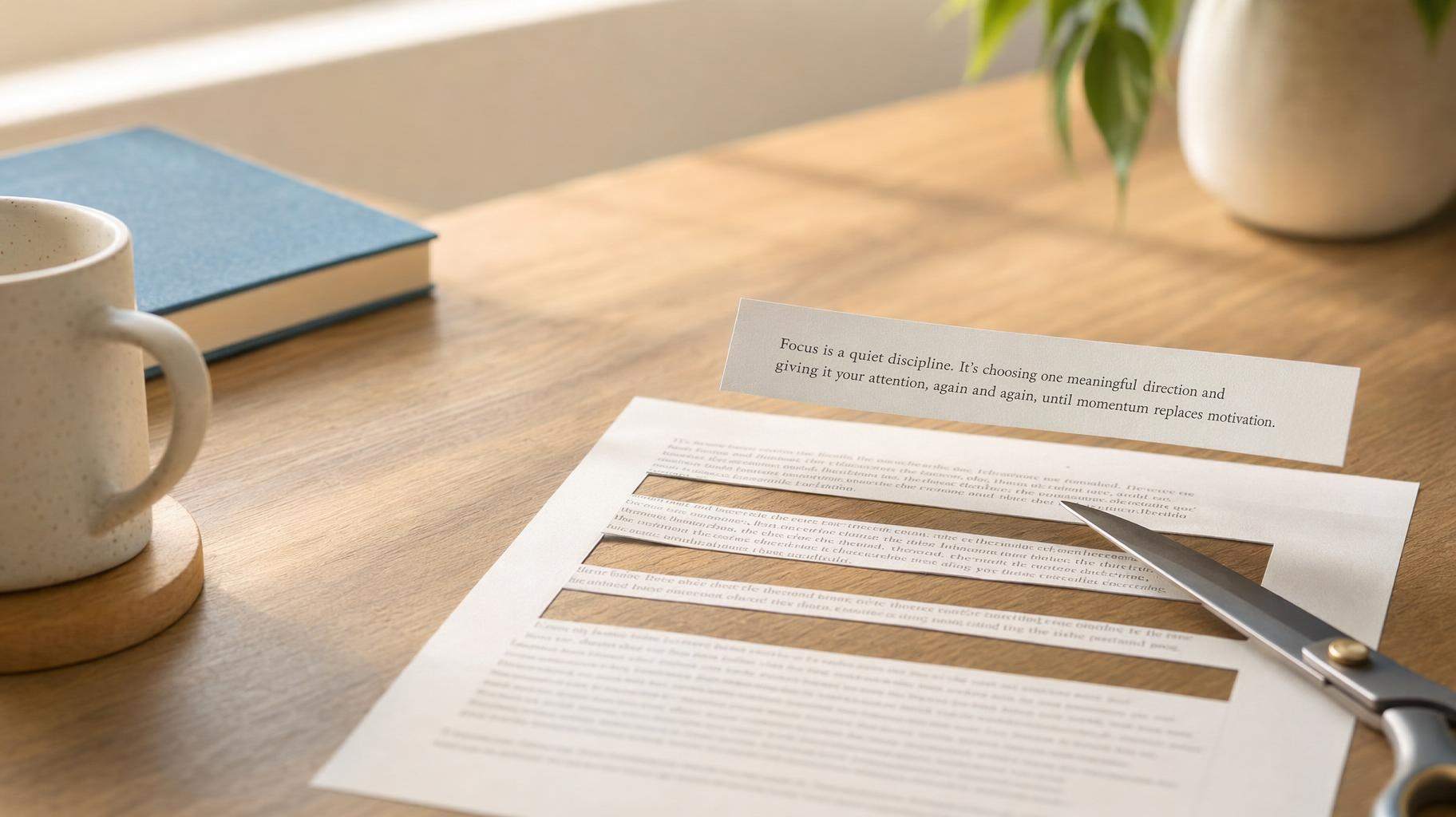
In AI search, you are no longer ranking a page. You are getting a passage cited. Modern answer engines do not retrieve whole pages and read them top to bottom. They split documents into small semantic passages, usually in the range of 200 to 500 tokens, convert each passage into a vector, and select the individual passage that best answers a specific sub-question.A passage gets cited because it directly supports a claim in the generated answer.

Multi-LLM Citation Recovery Strategy for AI Search Visibility
this article explains how to recover lost brand citations across AI search systems with a repeatable operating model: make your site technically readable to AI systems, expand authoritative source coverage, monitor prompts across multiple models, and reinforce the entities and claims those models rely on when generating answers.
How to Build a Multi-LLM Citation Recovery Strategy That Restores AI Visibility
Brands can rank well in traditional search and still disappear from AI-generated answers. That gap matters because AI-assisted research is becoming part of how buyers compare solutions, shortlist vendors, and validate claims before they convert. A practical citation recovery strategy focuses on three jobs: make the brand easy to identify, make pages easy for AI systems to extract, and build enough third-party corroboration that answer engines trust the brand enough to mention it.

AI Prompt Engineering Guide: Reverse-Engineering Search Behavior for GEO Research
Traditional prompting guides teach you how to ask AI questions. This AI prompt engineering guide takes a different approach. We're reverse-engineering how AI systems actually search for information. Search behavior has changed at its core, and prompts may be 20x longer than traditional queries. Google's AI Overviews now appear in 60%+ of search results。AI visibility has become the new priority.

Why Visual Content Is Critical for LLM Search Visibility in 2026
LLM search has evolved beyond text-based queries into a multimodal ecosystem where visual content shapes AI visibility as powerfully as traditional keywords. This shift creates a point often overlooked: visual assets generate semantic signals that determine whether your brand appears in AI-generated responses. GEO now requires visual optimization strategies, as well as AI search tracking to measure performance. Mastering machine-readable visual content determines competitive advantage in AEO.