innflows - Make Your Brand AI Trusted | GEO / AEO Platform
innflows is a Generative Engine Optimization (GEO) platform that helps brands build trust and visibility across AI search platforms like ChatGPT, Gemini, Claude, and DeepSeek using the proprietary FLOWS Brand Trust Model.
Contact: sales@innflows.com | Website: https://www.innflows.com
Insights on AI optimization, brand trust, and digital marketing strategies
Crawl-to-Referral Ratio can diagnose the exchange between AI crawling and human return traffic. It is not yet a standardized industry metric, a search ranking factor, or a complete measure of GEO ROI.
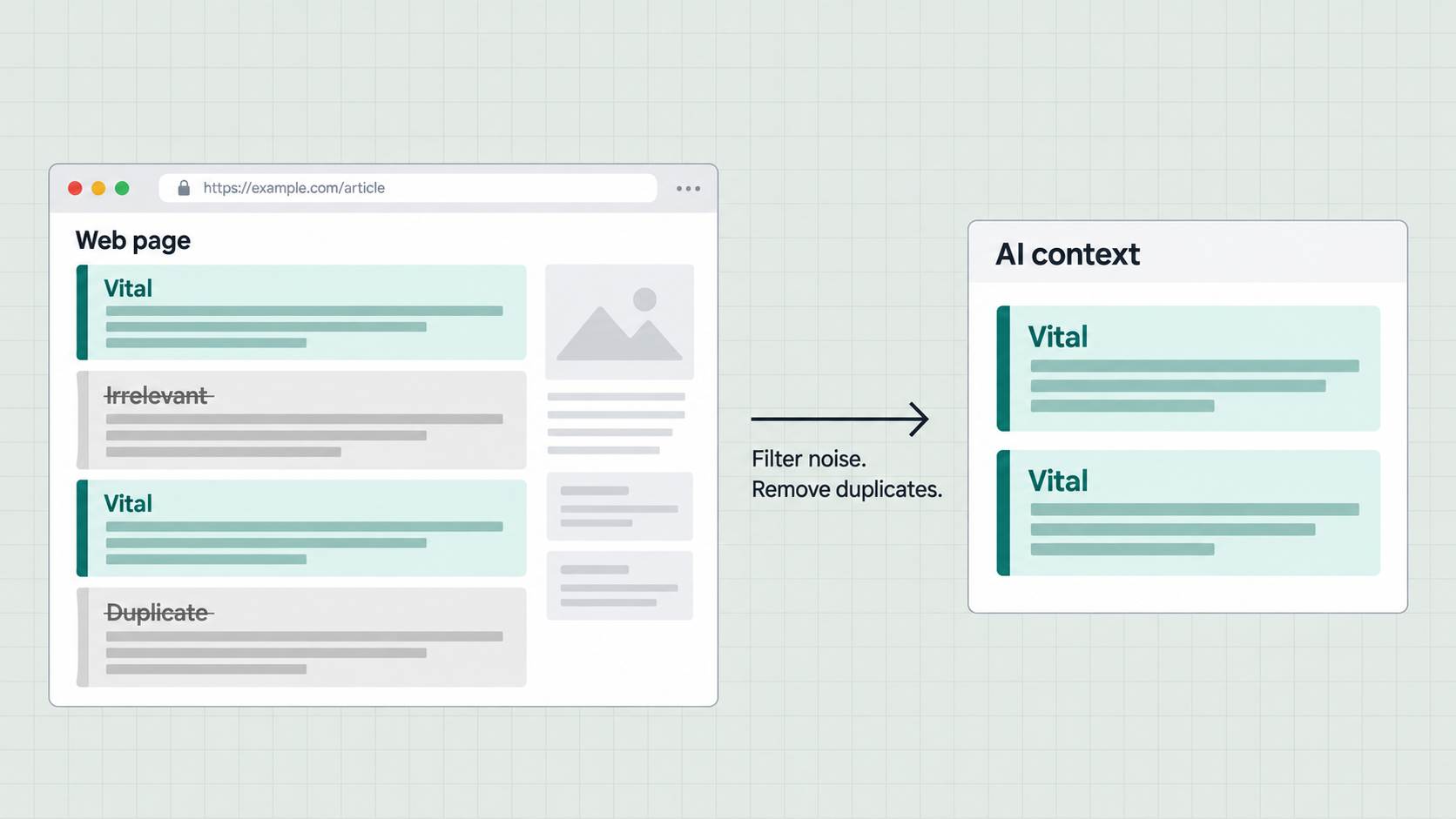
In March 2026, Perplexity described a new extraction and evaluation pipeline for its Search API. For each query-document pair, the system labels spans as vital evidence, several forms of irrelevant content, duplicates, and other categories. Two months later, Perplexity published the production design behind its query-aware context compression model, explaining how those granular labels become smaller snippets in its applications and API Platform.
Microsoft is beginning to expose an earlier part of that chain. In February 2026, Bing Webmaster Tools launched AI Performance in public preview, showing citations, cited pages, and grounding queries across Microsoft Copilot, AI-generated summaries in Bing, and selected partner integrations. Microsoft Clarity made Citations generally available in May and added Query Topics in August to group large sets of grounding queries into themes
On August 31, 2026, the European Commission designated ChatGPT a Very Large Online Search Engine (VLOSE) under the Digital Services Act (DSA), and designated Reddit and Roblox as Very Large Online Platforms (VLOPs) the same day. For enterprises, the point is not that regulation has arrived. It is a usable dividing line: regulators are targeting the use of undisclosed commercial means to change answers, not the work of making true information easier to find. Those two now need to be separated.
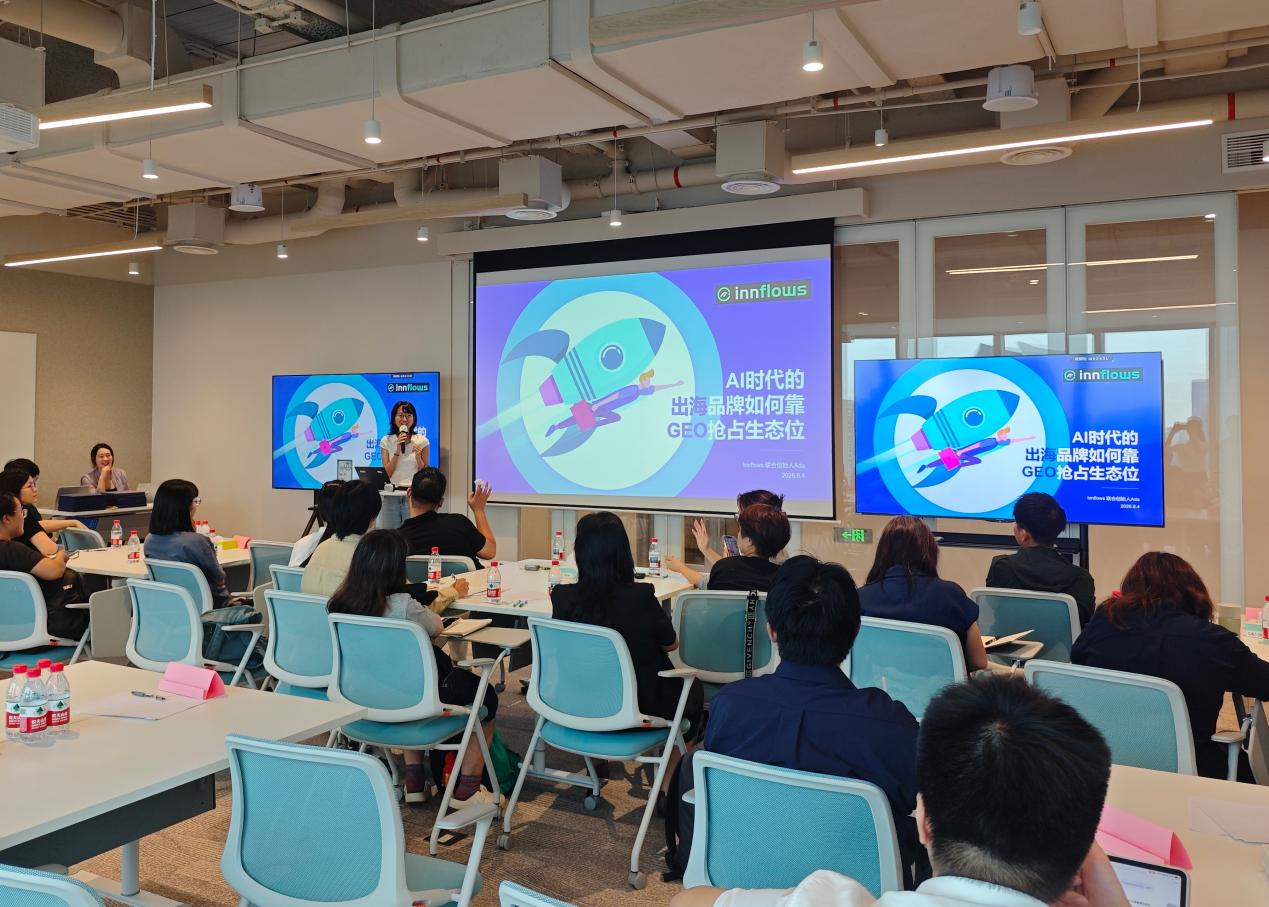
At the latest session of the Guangzhou Google cross-border DTC training series, Innflows shared something already underway: the starting point of an overseas buyer's decision has moved from the search box to the question box.
On August 18, 2026, OpenAI announced that ChatGPT Ads will expand "next week" to 31 European countries, including Germany, France, Spain, Italy, Sweden, Norway, Denmark, the Netherlands, and Austria. The vast majority of questions people actually ask — the specific, segmented ones carrying context, budget, and hesitation — sit outside what paid placements can reach.
You and a colleague send the same product question to the same AI assistant. Your answer recommends Brand A first. Your colleague sees Brand C at the top. You ask again the next day, and the shortlist changes.The system may be working as designed. Two screenshots alone also cannot prove that an AI engine personalized a brand ranking for each person.
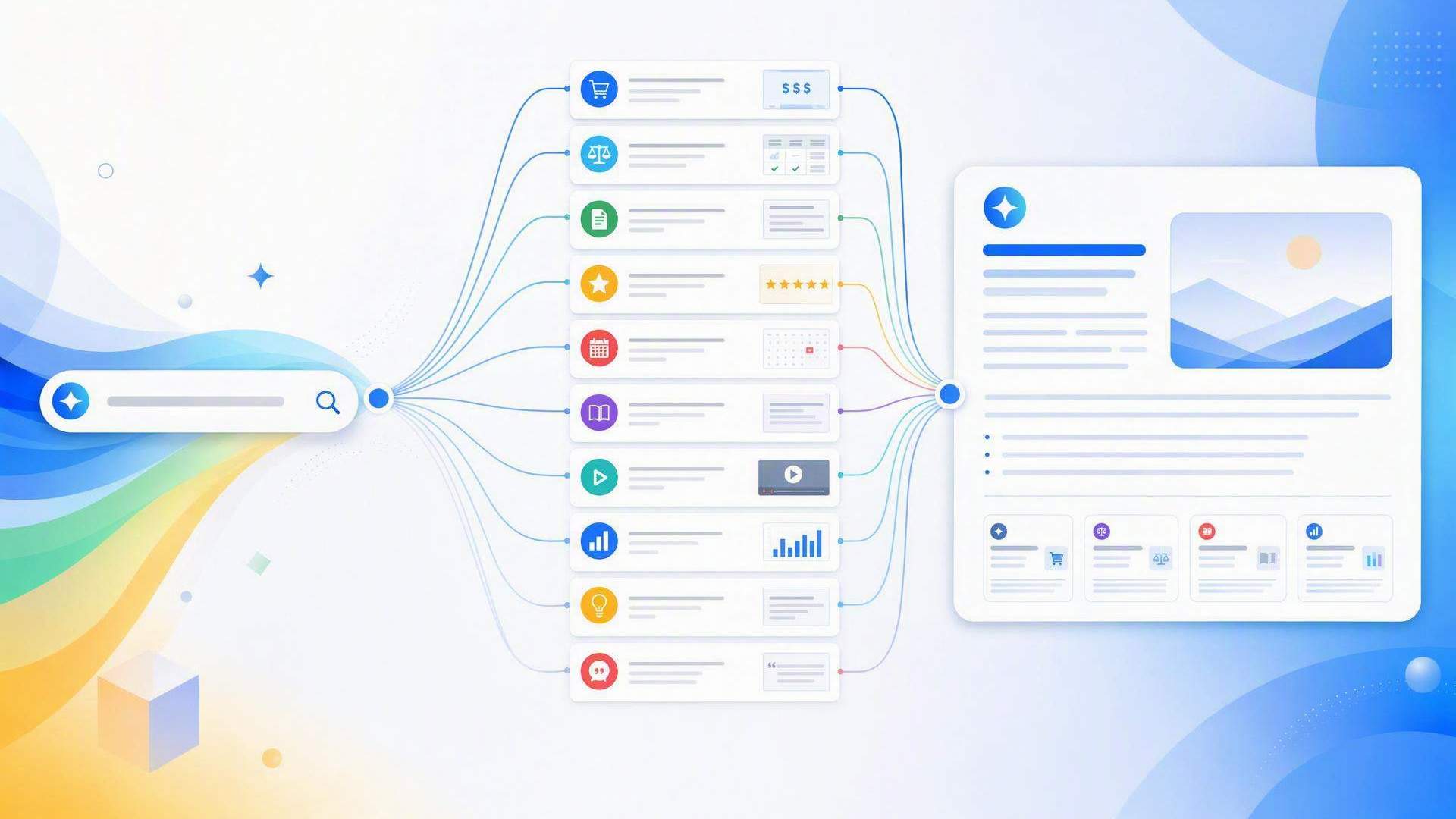
Query fan-out is a retrieval method in which a model generates and runs multiple related searches for one user question, then synthesizes the results into an answer. Google has confirmed that AI Mode breaks a question into subtopics and issues multiple parallel queries. AI Overviews may also use this technique.
When ChatGPT mentions your page, the version it has in hand often is not the page itself. In the default mode on a free account, Instant, it may have only the title and a roughly 200-character excerpt—about a few dozen English words.This article explains those layers from the outside in: first through a familiar analogy, then through the rules governing each layer, and finally through the actions that remain useful after a specific retrieval mechanism changes.
A Somantra analysis of 2,437,107 citation records across 28,725 domains in Australian insurance found that 57.2% of domains appeared in exactly one month of a seven-month observation window, while only 2.7% appeared in all seven months. The study does not show that those domains will never return, nor does it establish why individual citations disappeared. It does show why a one-time citation is a weak measure of durable AI visibility.
Reddit is the single most-cited domain across AI answers, but its share swings hard by engine and over time. In one benchmark of 160,240 AI citations across five B2B SaaS brands, Reddit was the top domain at 7.0% of all citations. The takeaway is not "go post on Reddit." It is that community presence is a real citation lever, concentrated in specific engines, sitting on a foundation that can shift under you in weeks.
In a study of 1,094 US categories tracked in ChatGPT from January to June 2026, only 15.2% had a clear brand owner — a brand named in at least four of five related buyer prompts with a five-percentage-point lead over the runner-up. Another 31.2% had an emerging leader, and 53.7% were unsettled, meaning no brand appeared in even three of the five prompts. AI almost always names someone, but very few brands get named consistently across a whole topic.