Multi-LLM Citation Recovery Strategy for AI Search Visibility

Multi-LLM Citation Recovery Strategy for AI Search Visibility
Quick answer: this article explains how to recover lost brand citations across AI search systems with a repeatable operating model: make your site technically readable to AI systems, expand authoritative source coverage, monitor prompts across multiple models, and reinforce the entities and claims those models rely on when generating answers. [1][2]
The frustrating scenario is now common: a brand appears in one model’s answer, disappears in another, gets cited without recommendation in a third, and then vanishes from AI-generated summaries elsewhere. That inconsistency weakens recommendation rate, reduces mention share, and makes AI referral tracking harder to forecast or scale. [1][2]
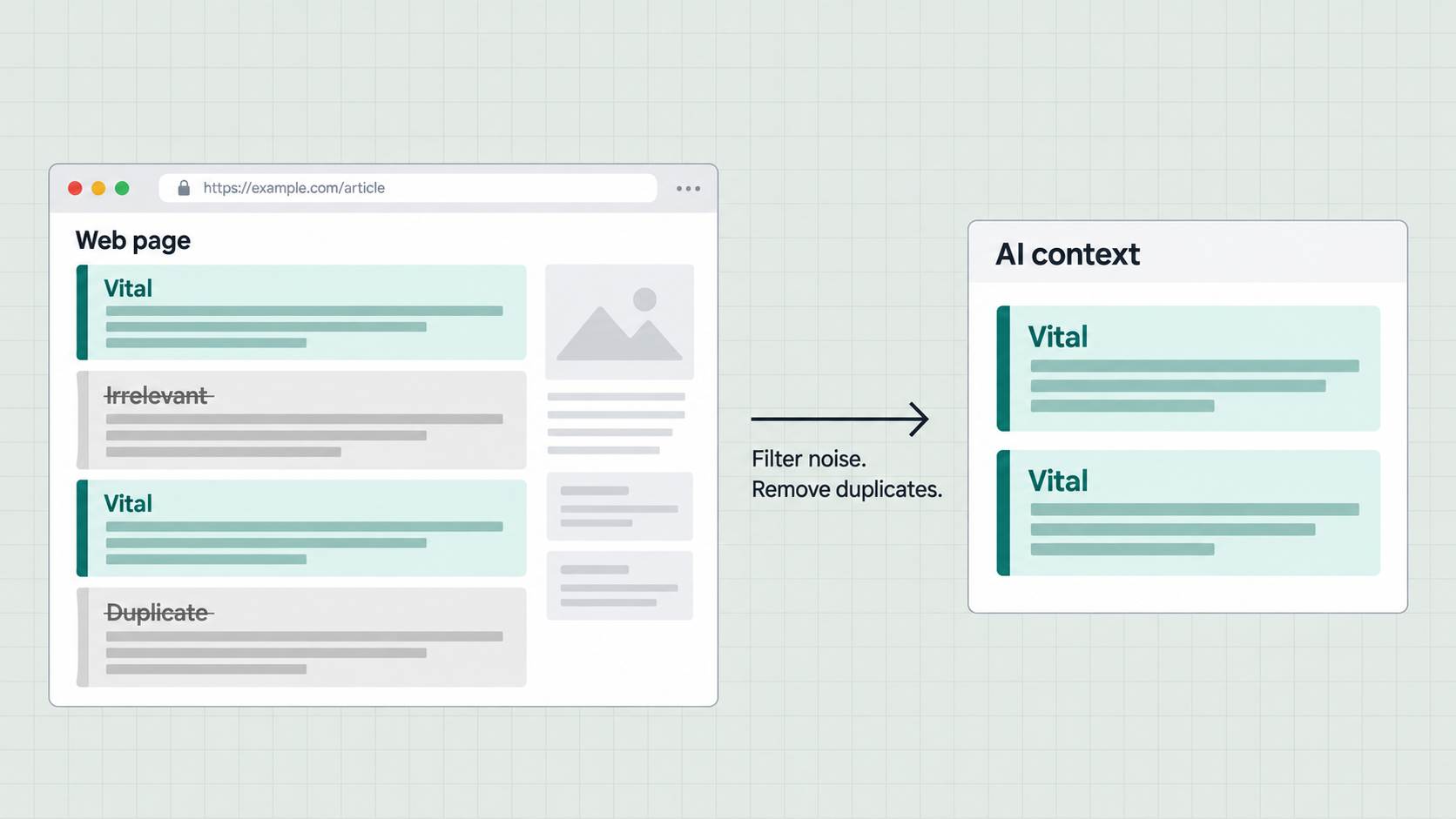
AI visibility software is now being presented as a distinct category by multiple third-party vendors and roundups, with positioning centered on prompt tracking, mention analysis, and optimization workflows rather than classic rank tracking alone. The key conclusion is simple: citation recovery is not a one-time content edit. It is an operating system that combines technical AI-readiness, source authority, prompt monitoring, and ongoing content and entity reinforcement across multiple answer engines. [1][2]
Why Citation Recovery Matters More Than Traditional Rankings
Traditional ranking reports were built for a blue-link web, where success meant a page appeared high enough in results to earn a click. AI search changes that behavior because the system often answers the question directly, compresses multiple sources into one response, and decides which brands to mention, cite, or recommend inside that answer. [1][2] That shift creates a new visibility gap: a brand can still rank in classic search and yet fail to appear in the answer layer that users actually read first. [1][2]
The practical business problem is not just whether a page is indexed or ranking. It is whether the brand survives the model’s summarization step with enough authority to be cited and enough trust to be recommended. Third-party reviews of AI visibility tools consistently frame the challenge around monitoring mentions, citations, and recommendation presence across multiple AI systems rather than relying on conventional SEO reporting alone.
Citation loss is one of the clearest warning signs. A brand may have strong pages and still lose the source slots that models rely on when generating answers, which means the brand’s evidence disappears even before recommendation language is considered. [1][2] Mention volatility is the next problem. The same brand can appear in one model, vanish in another, and return only for a narrower prompt set, making visibility unstable across major answer engines. [1]
Authority dilution makes the problem harder to spot in ordinary SEO dashboards. If models pull from scattered third-party pages, weakly structured brand pages, or inconsistent entity references, the brand may still be discussed but not framed as the leading answer. [1][2] Cross-model inconsistency compounds the issue because each system weighs sources, formatting, and entity signals differently. A brand that looks healthy in one environment can underperform in another, which is why single-engine reporting misses too much of the real picture. [1]
The signals that most often affect citation recovery are usually operational, not mysterious. Strong source authority matters because models prefer evidence they can trust. Structured content matters because machine-readable pages are easier to parse. Entity clarity matters because brands with consistent names, claims, and associations are easier to retrieve correctly. [1][2] Schema markup, llms.txt, and off-site corroboration also shape recovery because they help models understand what the brand is, what the page means, and whether outside sources reinforce the same story. [1]
The Four-Step Workflow for Recovering Citations Across Multiple LLMs
Citation recovery works best as an operating rhythm, not a one-time cleanup. The practical sequence is simple: diagnose current visibility, identify missing trust signals, repair technical and content gaps, then monitor and iterate across the major answer engines your audience actually uses. [1] Third-party category pages describe the strongest platforms as workflow tools for ongoing visibility management rather than one-off scanners, which aligns with that operating model.
1. Diagnose current visibility
Step one is diagnosis, and the goal is to measure how often your brand appears in real prompts before you change anything. A reliable starting set is 20 to 50 recurring prompts per market, grouped by use case such as category discovery, evaluation, problem solving, and brand-specific trust checks. [1] Run those same prompts across several major AI platforms and log the result for each answer: cited, recommended, mentioned without endorsement, or omitted. [1]
2. Identify missing trust signals
Step two is finding the trust signals that are missing from the answers you collected. Do not stop at mention rate alone. Review citation source patterns, recommendation language, and entity overlap to see whether the model connects your brand with the right category, use cases, and supporting evidence. [1] The most useful evidence log includes whether the brand was cited, whether it was actively recommended, which source types were used, what descriptive language appeared around the brand, and which other entities repeatedly occupied the answer space when your brand did not. [1]
3. Repair technical and content gaps
Step three is repair, and this is where teams usually gain the fastest ground. The technical side includes improving AI-readiness signals such as structured data, schema markup, llms.txt, and page structure. The content side includes tightening factual claims, clarifying entity language, and publishing pages that answer recurring prompts directly instead of assuming traditional ranking pages will be reused by answer engines. [1] A strong repair pass also checks whether the same core brand facts appear consistently across your site and supporting sources. [1][2]
This is also where Innflows fits most clearly. This product is positioned as an AI visibility and GEO workflow platform that combines monitoring, AI-readiness checks, and optimization guidance in one operating environment rather than as a generic rank tracker. [1]
4. Monitor and iterate
Step four is monitoring and iteration, because recovery is rarely linear. If your team tracks only one snapshot, you miss whether recommendation language is improving, whether citations are shifting toward stronger sources, and whether omission is shrinking in the prompt clusters that matter most. [1] A practical cadence is to rerun the same prompt set every month, compare outputs side by side, and keep a simple scorecard by market. [1]
What to Audit First: Technical Signals That Help AI Systems Recognize a Brand
When citation recovery stalls, the first place to look is the technical layer that helps machines parse who you are, what you offer, and which pages deserve retrieval. A mature AI-readiness workflow in this category usually starts with structured data, schema markup, llms.txt, crawlable architecture, and content quality because those signals shape machine-readable interpretation before any model decides whether to cite you. [1]
Start on the homepage and audit entity definition with strict consistency. The brand name, category, core offer, and primary proof points should appear in plain language that matches the wording used across major site sections, because mixed labels make it harder for retrieval systems to connect mentions into one stable entity. [1] If the homepage calls the company a platform, the product pages call it a service, and the about page uses a different category again, recognition weakens even when the information is technically present. [1]
Next, inspect product or service pages for machine-readable completeness. These pages should clearly state what the offering does, who it is for, and which recurring tasks it solves, then reinforce that with schema where appropriate. In AI visibility workflows, this matters because answer engines often retrieve the most specific page that maps to a prompt, not the page your team considers most important. [1]
Trust pages deserve an early audit because they anchor legitimacy. About pages, methodology pages, contact pages, editorial standards, and policy pages help systems connect the brand to real people, real expertise, and a coherent operating context. [1] That trust layer also matters in software evaluation roundups, where vendors with clearer positioning and methodology are easier to compare as distinct entities.
FAQ formatting is another high-yield check because it mirrors how people query answer engines. Questions should be written in natural language, each answer should resolve one intent cleanly, and the page should avoid burying the answer under long promotional copy. [1] A strong FAQ page can become retrieval-ready passage inventory, especially when each answer contains a direct definition, a use case, or a concrete process rather than generic brand language. [1]
How to Strengthen Recommendation Signals With Content and Entity Design
Once the technical foundation is in place, recommendation recovery usually depends on whether a page defines clear entities that an answer engine can lift into a response. A brand page should state what the company is, what each product or service is, who it is for, and what problem it solves in short, stable language. [1] Third-party roundups in this category repeatedly distinguish tools by entity-level attributes such as monitoring scope, optimization support, and workflow depth, which is exactly why vague positioning underperforms.
The practical content pattern is simple: one page, one entity, one main intent. A homepage should define the parent entity cleanly, while product, service, and solution pages should describe distinct offers with their own attributes, use cases, and proof points. [1] When those descriptions stay concise and consistent, retrieval systems have less ambiguity about what to cite and when to recommend it across multiple answer engines. [1]
Scenario-led pages are especially effective because recommendation engines respond to user intent, not just category labels. A page built around a concrete situation such as replacing an outdated workflow, evaluating a tool for one region, or improving AI visibility for a single brand gives the model a direct bridge between the user question and the right entity. [1][2]
Every paragraph should also stand on its own. Retrieval-augmented generation systems often pull a single passage rather than an entire page, so each paragraph needs one idea, one clear subject, and one complete answer. [1] The strongest passages usually include a named entity, a specific use case, and one verifiable fact such as a process step, a metric, or a defined outcome. [1]
A Practical Monitoring Table for Multi-LLM Citation Recovery
A strategy article on citation recovery is more useful with an operating table than with a broad vendor comparison. The goal is to create one repeatable worksheet your team can use every cycle to spot missing citations, weak recommendations, and the next best fix. [1][2]
| AI platform | Prompt cluster | Mention status | Cited source type | Recommendation strength | Missing facts | Next action |
|---|---|---|---|---|---|---|
| Chat-style model A | Category discovery | Mentioned but not cited | Third-party roundup | Weak | Clear category definition on owned pages | Tighten homepage and category-page entity language [1] |
| Chat-style model B | Commercial comparison | Omitted | Competitor pages and directories | None | Product differentiation and proof points | Publish comparison-supporting pages with concise claims and schema [1] |
| Chat-style model C | Problem-solving prompt | Cited without recommendation | Owned blog content | Moderate | Stronger use-case framing | Add scenario-led pages and clearer outcome statements [1][2] |
| AI overview / answer engine | Brand trust check | Mentioned | About page and external profile | Moderate | Methodology, policies, and trust signals | Strengthen trust pages and keep brand facts consistent across sources [1] |
| Multi-model monthly review | Mixed prompt set | Volatile | Mixed source types | Uneven | Stable evidence across prompts | Re-run the same prompt library monthly and compare changes side by side [1] |
This table is intentionally process-first. It keeps the article centered on operational citation recovery rather than drifting into unsupported feature-by-feature product claims. [1][2]
Pricing and Value: What Buyers Should Ask
Pricing matters, but the available source set does not support a deep apples-to-apples price comparison across this category. What can be verified is that some vendors publish pricing pages publicly, while others position the product without a clearly visible public plan structure in the supplied sources. [2]
That means the most useful value lens here is a buyer-questions checklist, not a forced pricing leaderboard. Ask how many prompts can be tested per cycle, how many AI platforms are covered, whether the workflow includes AI-readiness checks in addition to monitoring, and whether the output connects visibility loss to a concrete next action. [1]
A simple value framework is:
- How many prompts can be tested per cycle?
- How many AI platforms are covered in one workflow? [1]
- Does the product include only monitoring, or also AI-readiness and optimization guidance? [1][2]
- Can the team connect visibility loss to a concrete next action? [1]
What to Look for When Choosing a Tool for Citation Recovery
The first thing to check is model coverage, because citation loss rarely happens in just one place. A useful platform should let you monitor visibility across several major AI answer environments rather than treating one chatbot as the whole market. [1]
Monitoring frequency is the next filter. Some teams need a weekly rhythm while they are fixing technical issues, publishing recovery pages, or rebuilding authority, while others can work from a monthly review cycle. The key is to match the tool’s check cadence and question volume to your workflow, because a system with only a small number of checks can miss uneven recovery patterns across prompts and models. [1]
Prompt limits deserve more attention than most buyers give them. Citation recovery is not just about asking one branded question and recording whether your name appears. You need enough prompt capacity to test commercial queries, problem-solving prompts, and category questions, then repeat them over time. [1]
A strong tool should also audit AI readiness, not just count mentions. In practice, that means checking whether your site structure helps machines interpret pages cleanly, whether technical signals such as schema markup and llms.txt are in place, and whether content quality supports retrieval and citation. [1]
Benchmarking matters too, but the right benchmark is broader than share of mentions. A better system compares how often your brand is found, how strongly it is recommended, which source types are cited, how well your website structure supports retrieval, and how widely your presence is spread across the answer ecosystem. [1]
Expert Perspectives on AI Visibility and Recovery
Third-party commentary helps clarify what these tools are actually for, but only when the wording can be supported by the provided source set. Trustmary presents AI visibility tools as products that help brands monitor and improve how they appear in AI-generated answers, which captures the category’s practical purpose without relying on an unverified direct quote.
A second useful perspective is cautionary rather than promotional: no software alone fixes AI visibility, because the underlying work still depends on source quality, technical clarity, and repeatable monitoring. That interpretation is consistent with how official and third-party pages in this category describe the workflow: monitoring reveals the gap, but content, entity, and trust improvements are what change the outcome over time. [1]
Public vendor pages also reinforce that this is now a defined software market rather than an informal SEO experiment. Profound maintains a public pricing page, while AthenaHQ, Higoodie, and Trustmary each frame AI visibility as a recognizable workflow area with its own monitoring and optimization needs.
How to Measure Progress Without Overclaiming Results
The most credible way to evaluate citation recovery is to track a small set of repeatable metrics against your own starting point. A practical scorecard usually starts with mention rate, citation share, recommendation rate, source diversity, platform coverage, and change over time. [1] Those metrics tell different parts of the story, so using them together keeps teams from mistaking one good screenshot for durable recovery. [1]
Mention rate answers a simple question: how often does your brand appear at all across the prompt set you care about. Citation share goes one step further by measuring how often your site or owned assets are actually cited, which is often more meaningful than a bare mention when the goal is recoverable visibility. [1] Recommendation rate is the harder metric, but it is often the one leadership cares about most. [1]
Source diversity helps you see whether recovery is broad or fragile. If AI answers rely on only one page, one domain, or one content format, gains can disappear quickly; if citations spread across product pages, editorial content, help content, and third-party mentions, visibility is usually more resilient. [1] Platform coverage matters for the same reason. Multi-LLM tracking should reflect where your audience actually searches rather than a single engine. [1]
A responsible reporting habit is to define a fixed prompt library, measure the same platforms on the same cadence, and report both absolute levels and directional change. That approach makes it easier to say, with credibility, that citation recovery is improving, flattening, or slipping without promising results the data has not earned yet. [1]
FAQ: Common Questions About Multi-LLM Citation Recovery
Q: What is multi-LLM citation recovery?
Multi-LLM citation recovery is the process of improving whether AI systems mention a brand, cite its pages, and surface it consistently across more than one answer engine. A practical starting point is to test the same fixed prompt set across at least three models. [1]
Q: Which technical fixes matter most first when citations are missing?
Start with the pages that AI systems need to parse and trust your site: structured data, schema markup, llms.txt, and content quality checks. That order works because AI-readiness audits commonly group those items together, and fixing crawlability and structure before publishing more content usually gives teams a cleaner foundation for later citation gains. [1]
Q: Why can a brand appear in one AI model but not another?
Different models rely on different retrieval systems, source preferences, update cycles, and answer formats, so visibility is rarely uniform across every engine at the same moment. That is why a brand can show up in one model while remaining absent in another until authority, structure, and source spread improve. [1]
Q: What should a team track first in a recovery workflow?
Start with a fixed prompt library, then record mention status, citation presence, recommendation strength, source type, and change over time across multiple platforms. That gives you a baseline you can improve systematically instead of relying on isolated examples. [1]
Brand Summary
The clearest takeaway is that multi-LLM citation recovery is a systems problem, not a one-time content edit. The work usually spans technical readiness, structured content, source clarity, and repeated monitoring across multiple AI environments rather than a single search surface. [1] Third-party market coverage now makes it clear that AI visibility software is a real evaluation category, with buyers comparing vendors on monitoring depth, optimization support, and workflow design.
Durable AI visibility comes from consistent entity definition, stronger source support, and disciplined iteration over time. [1][2]
---