SEO Optimization
SEO best practices and strategies
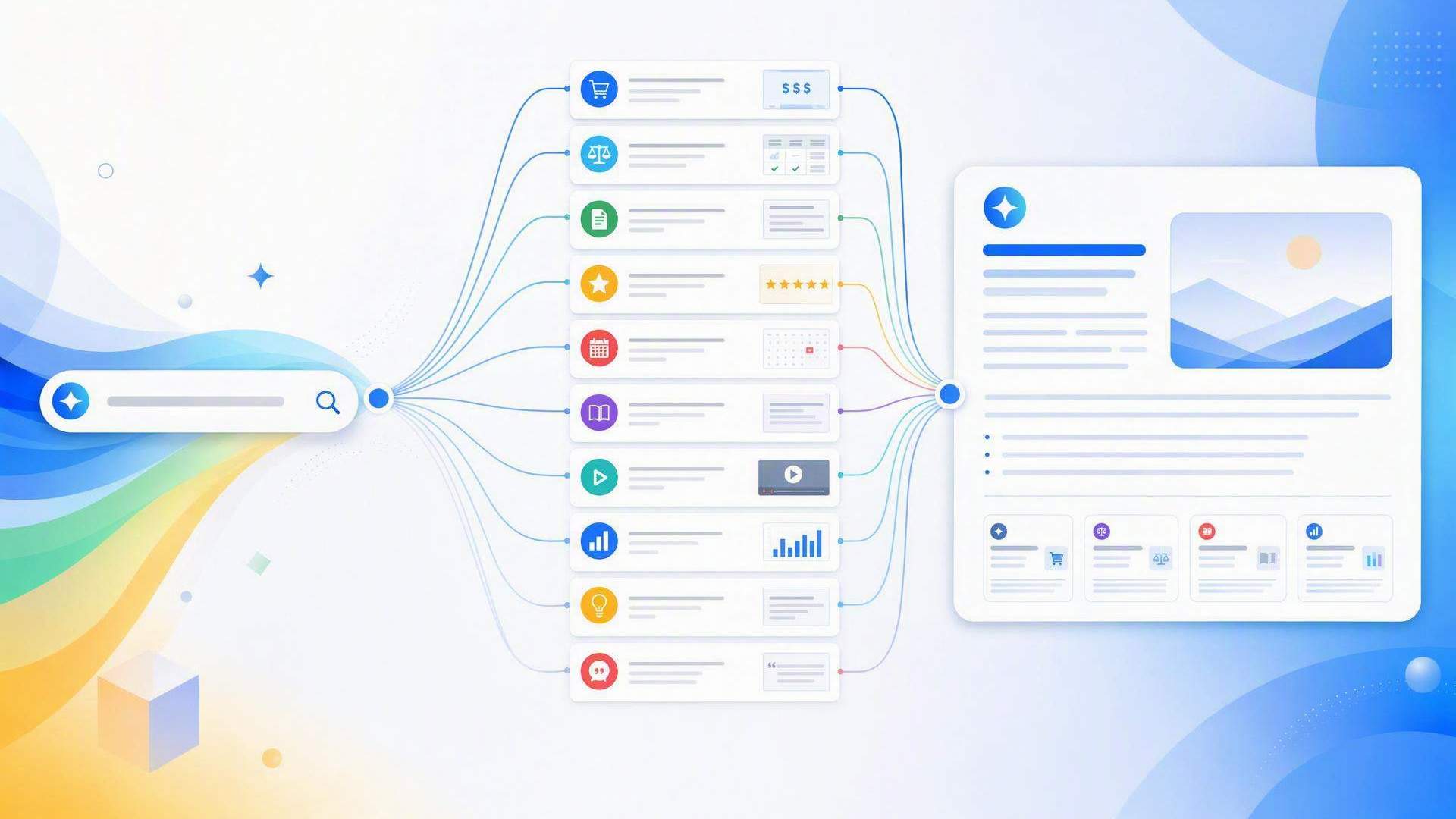
One Question Can Trigger Dozens of Searches: How Query Fan-out Works in Google AI Mode
Query fan-out is a retrieval method in which a model generates and runs multiple related searches for one user question, then synthesizes the results into an answer. Google has confirmed that AI Mode breaks a question into subtopics and issues multiple parallel queries. AI Overviews may also use this technique.

Reddit Is the Most-Cited Source in AI Search — and the Most Volatile
Reddit is the single most-cited domain across AI answers, but its share swings hard by engine and over time. In one benchmark of 160,240 AI citations across five B2B SaaS brands, Reddit was the top domain at 7.0% of all citations. The takeaway is not "go post on Reddit." It is that community presence is a real citation lever, concentrated in specific engines, sitting on a foundation that can shift under you in weeks.

Does Schema Markup Increase AI Citations? What a Controlled Study Found
For pages that AI already cites, adding JSON-LD schema produced no meaningful citation lift. A matched difference-in-differences study tracked 1,885 pages that added JSON-LD against 4,000 control pages and measured Google AI Overviews at -4.6%, Google AI Mode at +2.4%, and ChatGPT at +2.2%— the last two statistically indistinguishable from zero. Google's own documentation states there is no special schema.org markup you need to add to appear in AI features.

How Content Structure Shapes AI Citations: The Engineering Behind a 17% Lift
AI engines parse your page before they decide what to quote. A clear heading hierarchy, paragraphs in the right size range, a healthy proportion of lists and tables, and disciplined visual emphasis make individual passages easier to isolate and reuse — which is what a citation actually is. Get the structure right and you raise citation probability without touching a single claim.
The Dark Matter of AI Citations: Why 60% of Cited Pages Don't Rank on Google
Here is the finding that should reshape how you think about AI search visibility: roughly 60% of the URLs that AI engines cite do not rank in the top 20 organic results on Google or Bing for the same query. Call it the dark matter of AI citations: a large, invisible mass of pages that AI answers pull from but that your rank-tracking dashboard never shows. If you measure AI visibility by watching your Google positions, you are looking at the wrong sky.

GEO in the Zero-Click Era: Why Getting Cited Now Beats Getting Clicked
Google's AI Overviews are cutting organic clicks hard. Across a 300,000-keyword analysis, the presence of an AI Overview correlated with a 34.5% lower click-through rate for the top-ranking page.The first randomized controlled study of 1,065 desktop Chrome users found AI Overviews cut outbound clicks by 39.8% and raised zero-click searches by 34.5%. On informational queries, some datasets put the CTR decline as high as 61%. Roughly 72% of searches now end without a click.
What Is EEAT Meaning? Understanding Google's Trust Framework in GEO
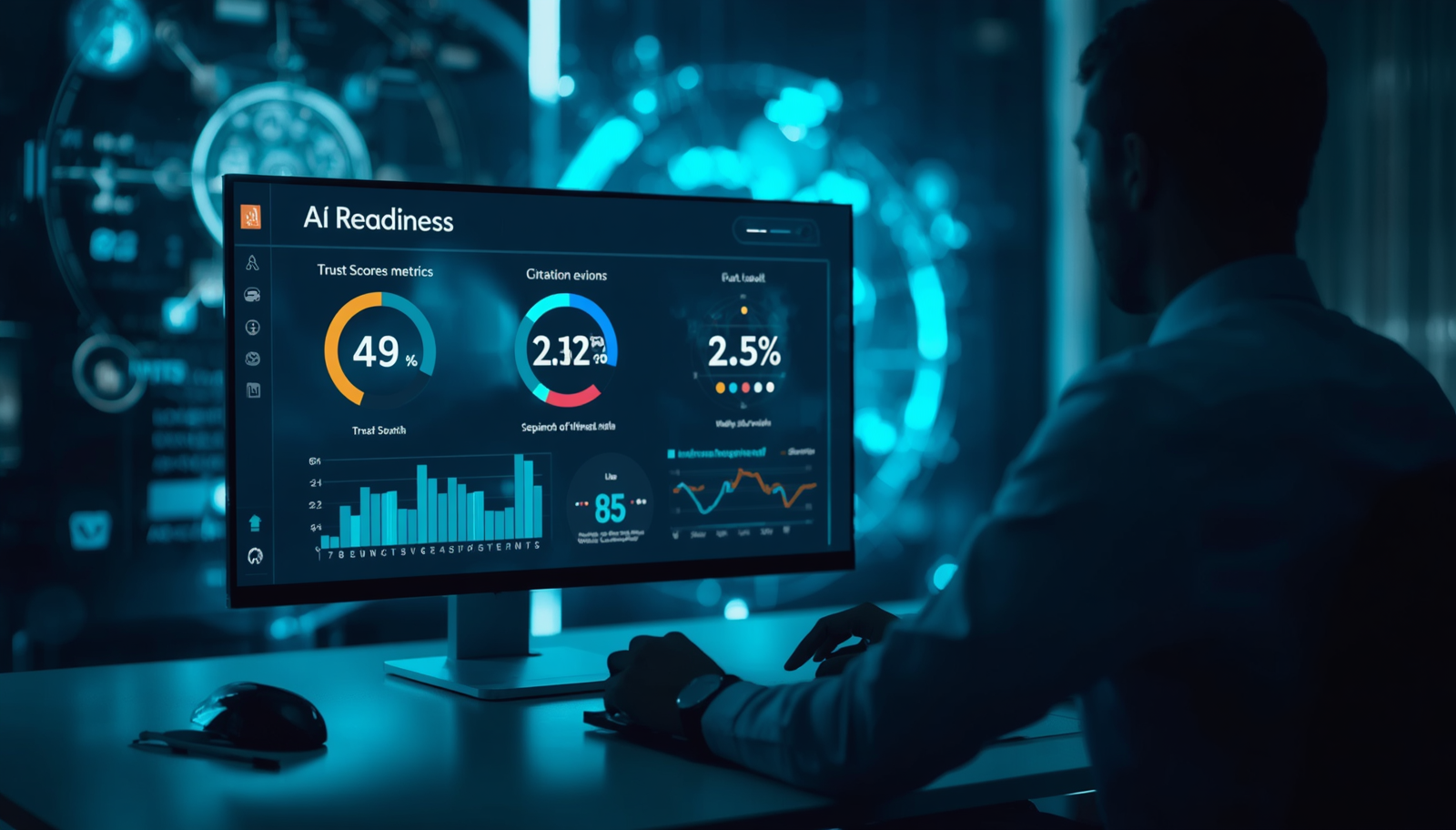
EEAT is a framework that Google's quality raters use to assess content quality, representing Experience, Expertise, Authoritativeness, and Trustworthiness. The framework appears in Google's Search Quality Rater Guidelines, which serves as the handbook that reviewers use to give feedback on search results and review whether Google's algorithms deliver quality content

Google Knowledge Graph and Entity SEO: How AI Platforms Map Your Brand Identity
Gartner predicts traditional search volume will drop 25% by 2026, yet the google knowledge graph containing over 1.6 trillion facts about 54 billion entities remains invisible to marketers. Brands risk being overlooked by AI assistants that now drive traffic converting at rates 23 times higher than conventional search. We'll show you how AI platforms identify and confirm your brand as an entity, and how to measure your knowledge graph presence in ChatGPT and other leading AI assistants.

14 Best Geo Optimization Tools for AI-Powered SEO in 2026
More people get answers from ChatGPT instead of scrolling through search results. This shift makes geo optimization tools essential for brands. So the best GEO optimization tools monitor brand mentions in millions of monthly prompts and use AI content optimization to improve your rankings. We'll explore 14 best AI SEO tools in this piece, including platforms like Semrush that combine AI visibility analytics for search optimization with practical GEO strategies.

GEO Necessity Assessment: A 5-Question Scorecard for 2026
GEOnecessity is determined by cross-LLM presence plus trust signals— whether AI systems can find, recommend, and verify your brand — not by mention counts alone. This guide gives you a five-question scorecard to decide whether GEO work is necessary for your brand this quarter, a repeatable assessment method if the answer is yes, and a clear place where a GEO platform like Innflows fits into the workflow.

Brand Mentions vs. Backlinks: Why Unlinked Citations Now Drive AI Search Rankings
Brand mentions now correlate 3x more strongly with AI visibility than backlinks do, according to Ahrefs research analyzing 75,000 brands. AI recommendations run on brand mentions and unlinked citations rather than traditional backlinks alone, with a good AI visibility rate sitting between 15-25% and strong performance reaching 30-50%+. This article explains why unlinked brand mentions now drive AI search rankings and how to monitor brand mentions for Generative Engine Optimization (GEO).

SEO Authorship: Why Authority Beats Backlinks in AI Search Rankings
SEO authorship has emerged as the critical ranking factor that most digital marketers are overlooking. While traditional SEO relied heavily on backlinks and keyword optimization, AI-powered search platforms now prioritize verified author credentials and demonstrated expertise. This shift demands a fundamental change in strategy. Generative Engine Optimization (GEO) requires you to build authentic author authority,

5 Best Generative Engine Optimization Tools to Boost Efficiency 300% in 2026
Your content could be ranking #1 in traditional Google search, and users still won't click it. That's the new reality as AI-powered search engines like ChatGPT and Perplexity reshape how people find information. Generative Engine Optimization has become critical for brands that want to appear in AI-generated responses. Your brand remains invisible while competitors capture traffic and market share without the right generative engine optimization tools. We've identified the 5 best tools designed
SEO Trends You Need to Know: GEO Industry Report Uncovers 3 Major Shifts in AI Search
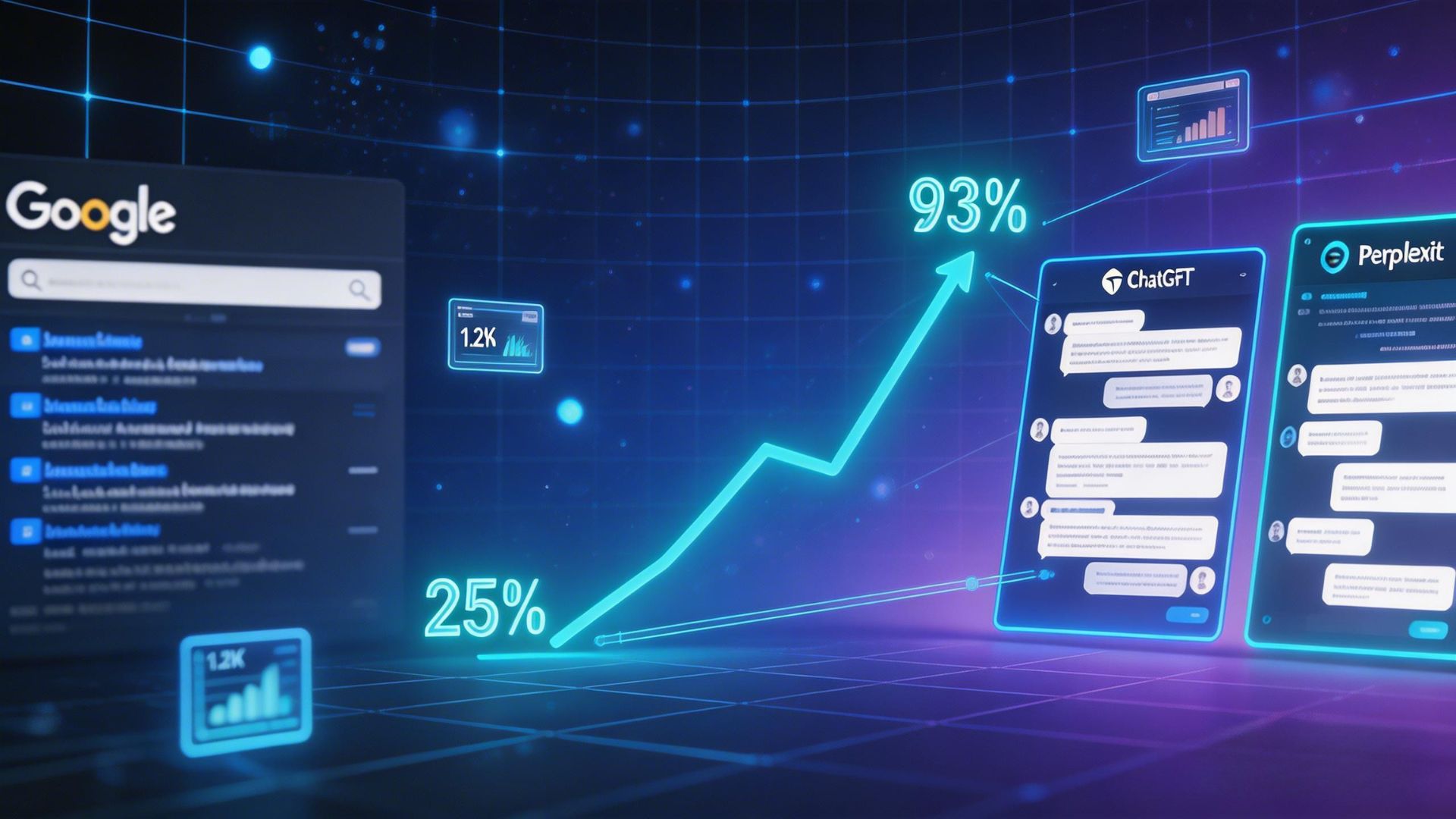
Three SEO trends reshape brand visibility as AI Overviews now trigger on 25.11% of Google searches, up from 6.49% in January 2025. So AI search traffic has surged 300% year-over-year, with ChatGPT commanding 87.4% of AI referral traffic. This transformation needs new approaches to ai search engine optimization as traditional ranking metrics fail to capture brand performance in AI-generated answers.